Metal Paneling
Protect Your Building with Durable Cladding
Metal Paneling in Park City for buildings exposed to severe weather and freeze-thaw cycling
Elevated Exterior installs metal paneling for commercial, industrial, and residential buildings in Park City, UT, and the surrounding Weber and Davis County areas. You need this cladding when your structure faces relentless wind, snow load, UV exposure, and the kind of temperature swings that crack weaker materials or when you're building new and want a low-maintenance exterior that holds up without constant repainting or patching. This is work that protects the building envelope while giving you clean, modern lines that don't fade or warp.
Metal paneling uses steel, aluminum, or composite materials fastened to your building's framing or sheathing to form a weather-resistant barrier. It sheds water, resists impact, and insulates better than many traditional sidings when paired with proper underlayment. In Park City's climate, where winter temperatures drop well below freezing and summer sun beats down on south-facing walls, metal panels handle expansion and contraction without buckling. The panels interlock or overlap depending on the profile you choose, and they're installed with fasteners designed to accommodate movement while keeping moisture out.
If your building needs a cladding upgrade or you're planning new construction that requires long-term durability, reach out to discuss panel options and installation timelines for your project.
What Metal Panel Installation Involves
Your installation starts with measuring the exterior and confirming that the underlying sheathing or framing is sound and level. Elevated Exterior examines the substrate for rot, moisture damage, or structural issues that would compromise the panel system. Once the surface is prepared, a water-resistive barrier goes down, followed by furring strips or a metal track system that creates an air gap and allows drainage. The panels are cut to length on site, then fastened in sequence from bottom to top or according to the manufacturer's lap requirements.
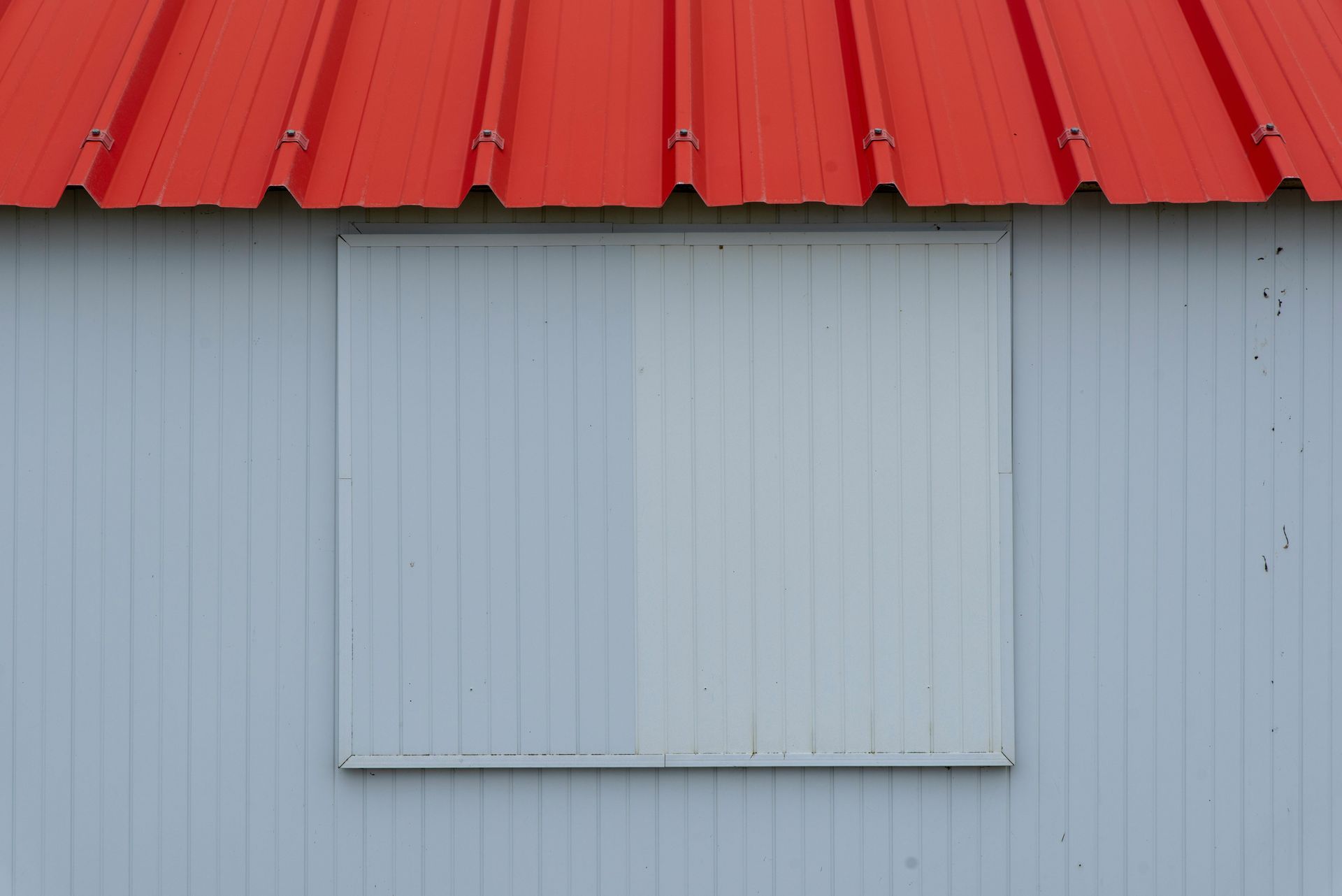
After the panels are up, you'll see walls that shed snow and rain immediately, corners that stay square without splitting, and a finish that doesn't need scraping or recoating. The seams are tight, the fasteners are concealed or finished to prevent rust, and the building looks uniform from every angle. Elevated Exterior uses panel profiles that match your building's function, whether that's standing seam for a contemporary residence, corrugated for a barn or shop, or flat-lock for a commercial storefront.
The work also includes flashing around windows, doors, and roof intersections to direct water away from vulnerable joints. Trim pieces finish the edges, and expansion joints are placed where needed to handle seasonal movement. This is not a vinyl siding job with hidden fasteners that pop in high wind. Metal panels are through-screwed or clipped into place with engineered connections that hold under load and allow the material to move without tearing.
Questions About Metal Paneling Projects
These are the questions that come up when you're weighing metal cladding against other options or trying to understand what the installation requires.
- What materials work best in Park City's winter conditions? Steel and aluminum panels both perform well in freezing temperatures, but steel is heavier and better for high-wind zones, while aluminum resists corrosion and weighs less, making it easier to handle on steep or elevated sections.
- How long does a metal panel system last compared to wood or fiber cement? You're looking at forty to sixty years with minimal maintenance if the panels are installed correctly and the fasteners are stainless or coated, compared to fifteen to twenty-five years for wood siding that needs regular sealing.
- When should you replace existing siding with metal paneling? When your current cladding is cracked, rotting, or requires repainting every few years, or when you need better insulation and a tighter building envelope without adding thickness.
- Why do some metal panels look wavy or buckle after installation? Improper fastening, lack of expansion joints, or installing panels over uneven sheathing causes waviness, which is why the substrate and attachment method matter as much as the panel itself.
- What profiles are available for residential versus commercial buildings? Residential projects often use standing seam or board-and-batten profiles for a refined look, while commercial and industrial buildings may use corrugated or ribbed panels that span longer distances and handle heavier loads.
Elevated Exterior works with property owners and builders throughout Park City, Weber County, and Davis County who want cladding that performs in mountain weather and looks intentional. If you're ready to move forward or need a site evaluation before choosing a panel system, get in touch to schedule a walkthrough.